The 2026 International Communication Association (ICA) Beijing Regional Conference opened at Tsinghua University on June 6, bringing together scholars, educators, and more than 300 graduate students from China and abroad for two days of intensive academic exchange.
Under the theme “Communication and Inequalities in Context: Chinese Perspectives and Global Dialogue,” the conference explored core topics including artificial intelligence, digital inequality, platform governance, health communication, global communication orders, and the role of the Global South in knowledge production. The conference received 719 paper submissions, of which 152 were selected for oral presentations, 75 for poster presentations, and five recognized as Best Papers. Over the two-day program, the event included an opening ceremony, keynote sessions, a keynote roundtable forum, 29 parallel sessions, poster presentations, and a closing award ceremony.
At the opening ceremony, Yang Bin, Vice Chairperson of the Tsinghua University Council; Zhou Qing’an, Dean of the School of Journalism and Communication; and Noshir Contractor, former ICA president and professor at Northwestern University, delivered remarks on behalf of Tsinghua University, the conference organizing committee, and the International Communication Association. They highlighted Tsinghua’s ongoing role in promoting international academic cooperation in journalism and communication studies and noted that the Beijing regional conference provides a valuable platform for dialogue between Chinese and international scholars.
Keynote sessions addressed communication inequality from multiple perspectives. Shirley Ho of Nanyang Technological University discussed the role of communication in responding to climate change. Wang Runze of Renmin University of China explored communication inequality through traditional Chinese thought. Zhang Taofu of Fudan University analyzed strategic competition in international communication, while Wei Lu of Communication University of Zhejiang and Zhao Yu of Zhejiang University examined human-machine communication and the global digital divide. Zhou Qing’an also spoke on the impact of artificial intelligence on international communication ecosystems.
On the afternoon of June 6, a keynote roundtable forum was held at the School of Journalism and Communication and connected live with the ICA main conference in Cape Town, South Africa. Scholars including Wang Xiuli from Peking University, Li Siyue from Zhejiang University, Hang Min from Tsinghua University, Chu Jianxun from the University of Science and Technology of China, and Guo Liangwen from Shanghai Jiao Tong University discussed artificial intelligence, academic cooperation, the future of the discipline, and the development of young scholars.
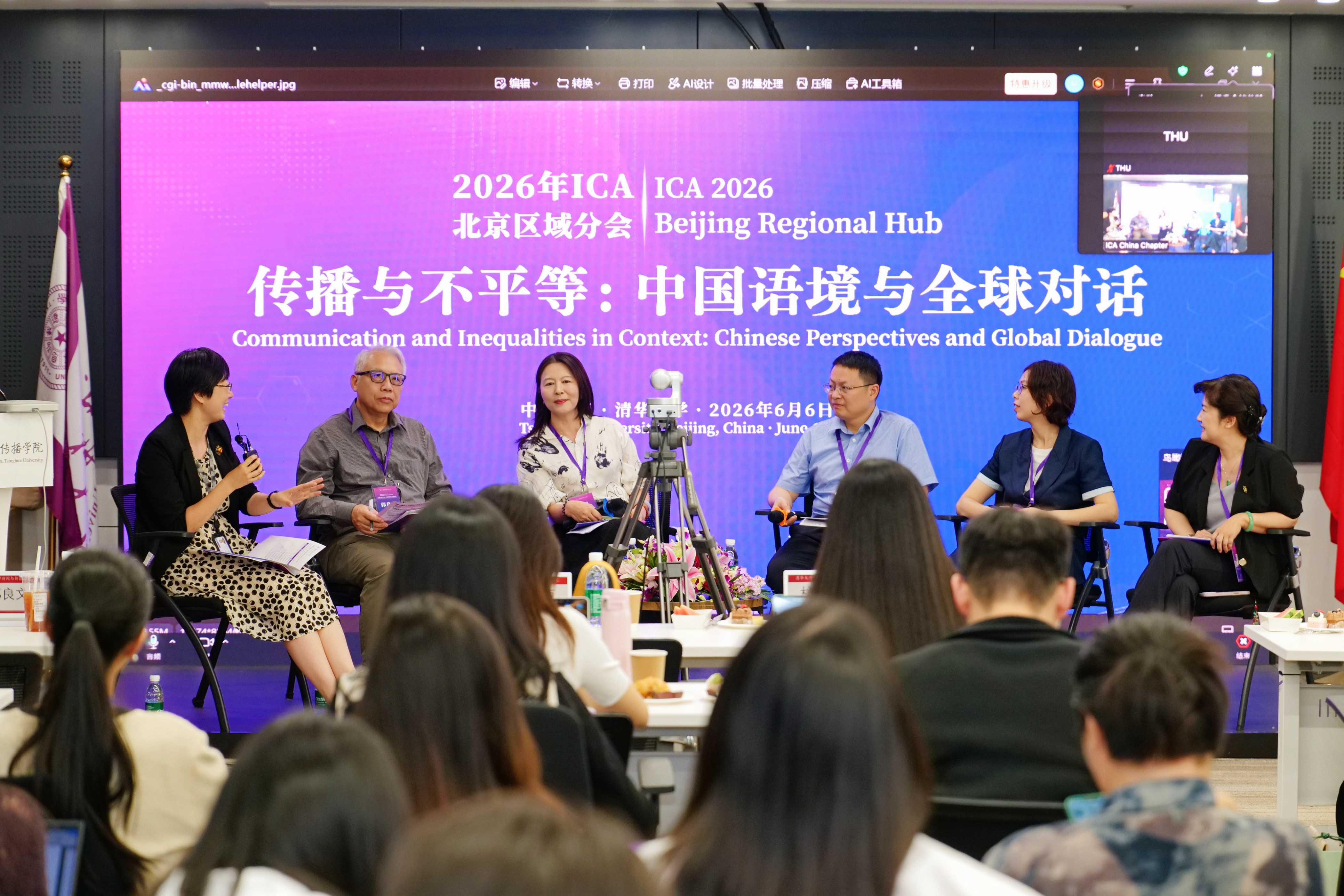
Keynote Roundtable Forum
Over the two days, 29 parallel sessions were organized around six major research areas, including Chinese culture and communication practices, intelligent communication and AIGC platforms, digital divides, emotion and trust in the AI era, Global South communication, and narrative framing and technological discourse power in international communication. The sessions featured papers combining empirical research, theoretical reflection, and critical analysis.
The closing ceremony and Best Paper Award presentation were held on June 7. Shi Anbin, Chair of the School Board, said the conference was not only a platform for presenting academic achievements but also a space for intellectual exchange and dialogue. At the ceremony, Zhang Zheng and Jiang Qiaolei, Vice Deans of the School of Journalism and Communication, presented Best Paper Awards to five outstanding papers.
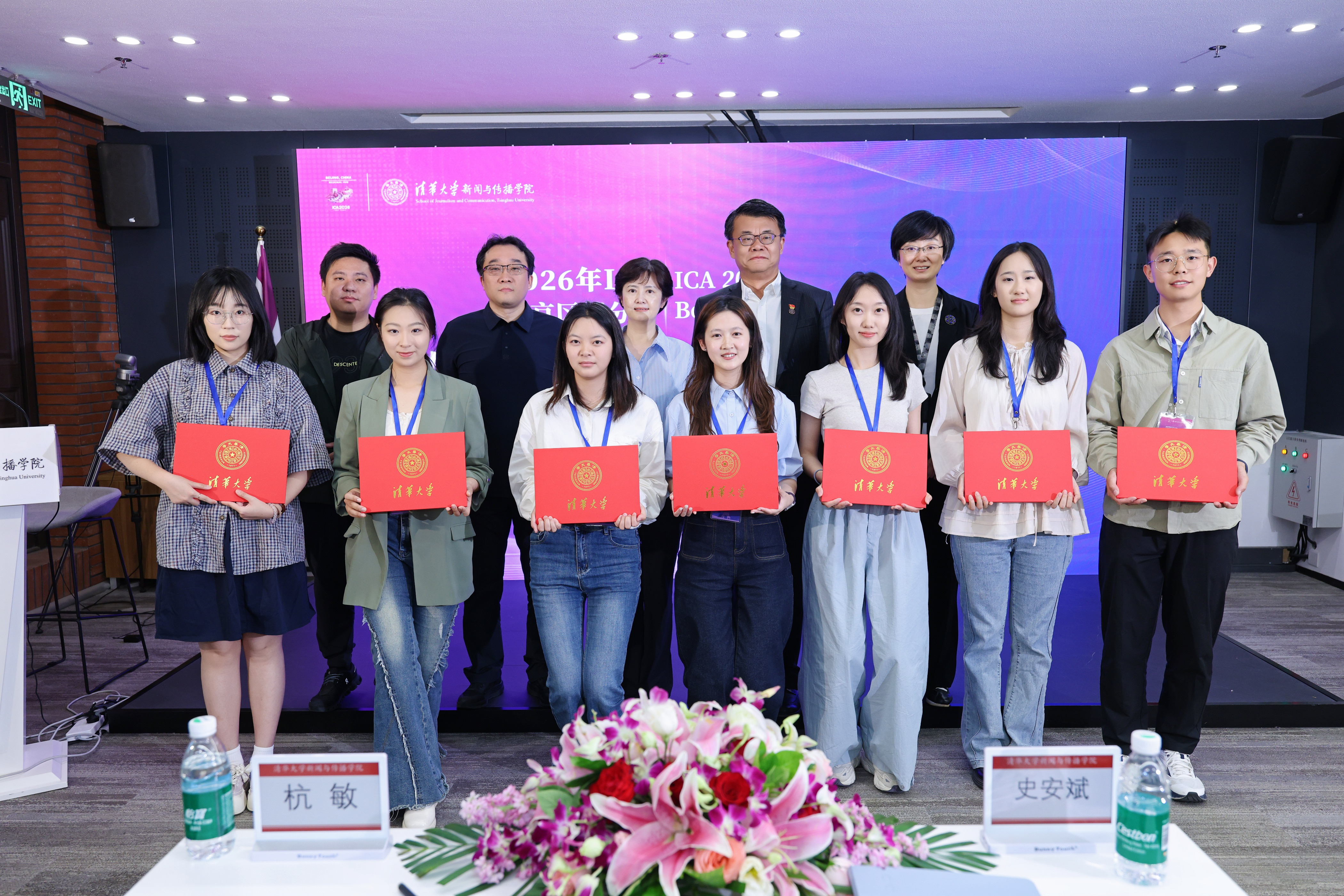
Best Paper Award
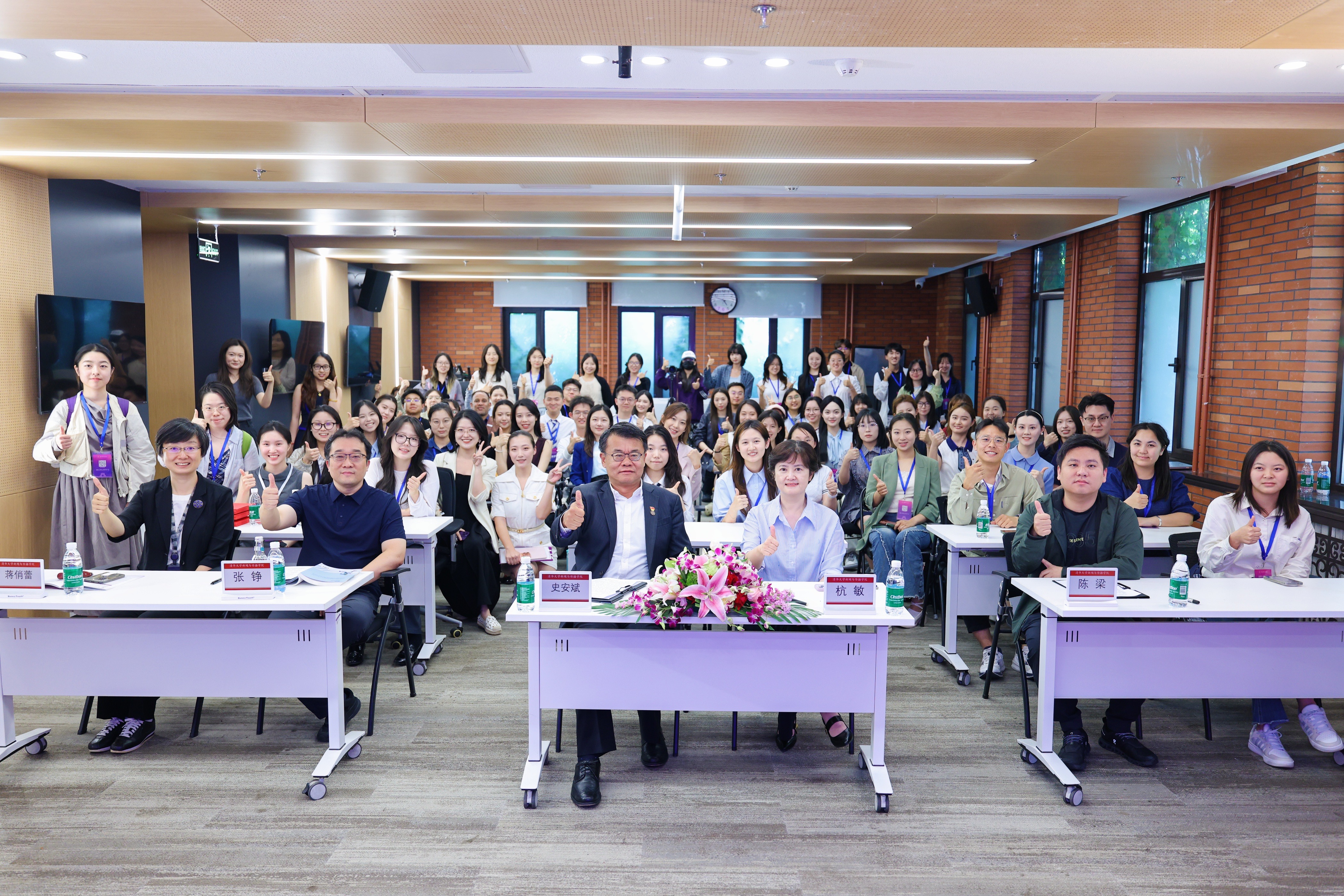
The Closing Ceremony
Through two days of dense, multidimensional academic exchange, the 2026 ICA Beijing Regional Conference provided a meaningful platform for scholars from China and abroad to engage across regions, cultures, and disciplines. It contributed new Chinese perspectives, insights, and solutions to the global discussion on communication and inequality.