Tsinghua University and Eli Lilly held an award ceremony on March 22, 2026, for the Alzheimer’s disease (AD) science communication competition “Early Action, Lifelong Memory Protection,” using youth-led creative work to promote the public health message of early recognition, early diagnosis and early treatment and to encourage broader understanding of memory health.
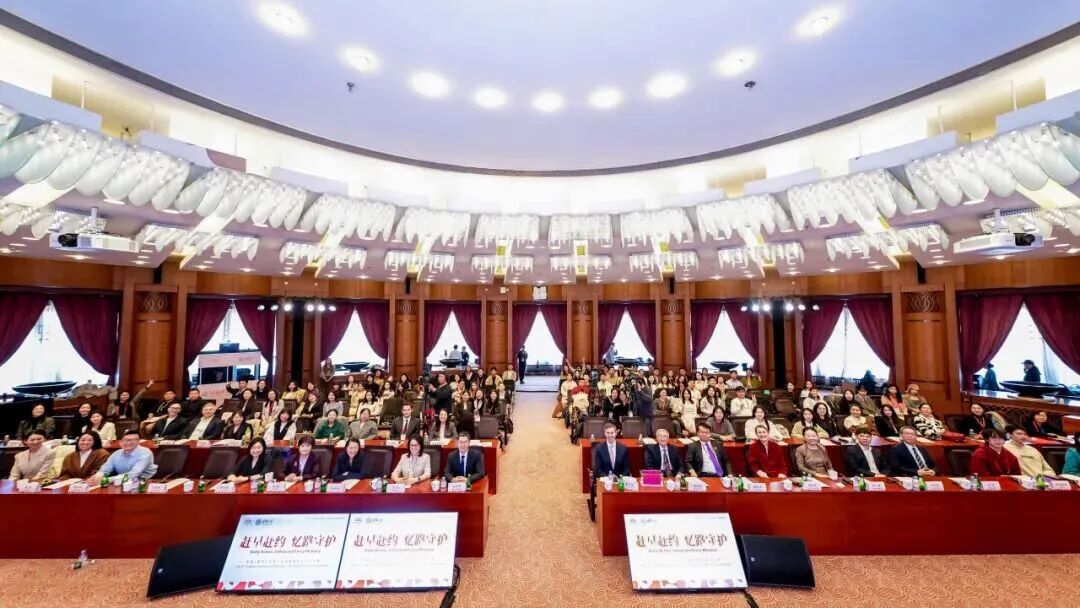
The competition was organized by Lilly and hosted by Tsinghua University’s School of Journalism and Communication. According to organizers, the event was designed to guide young people to communicate Alzheimer’s-related knowledge in ways that are youthful, compassionate and accessible, while helping reduce misconceptions about the disease and strengthen public awareness of prevention, diagnosis and treatment.
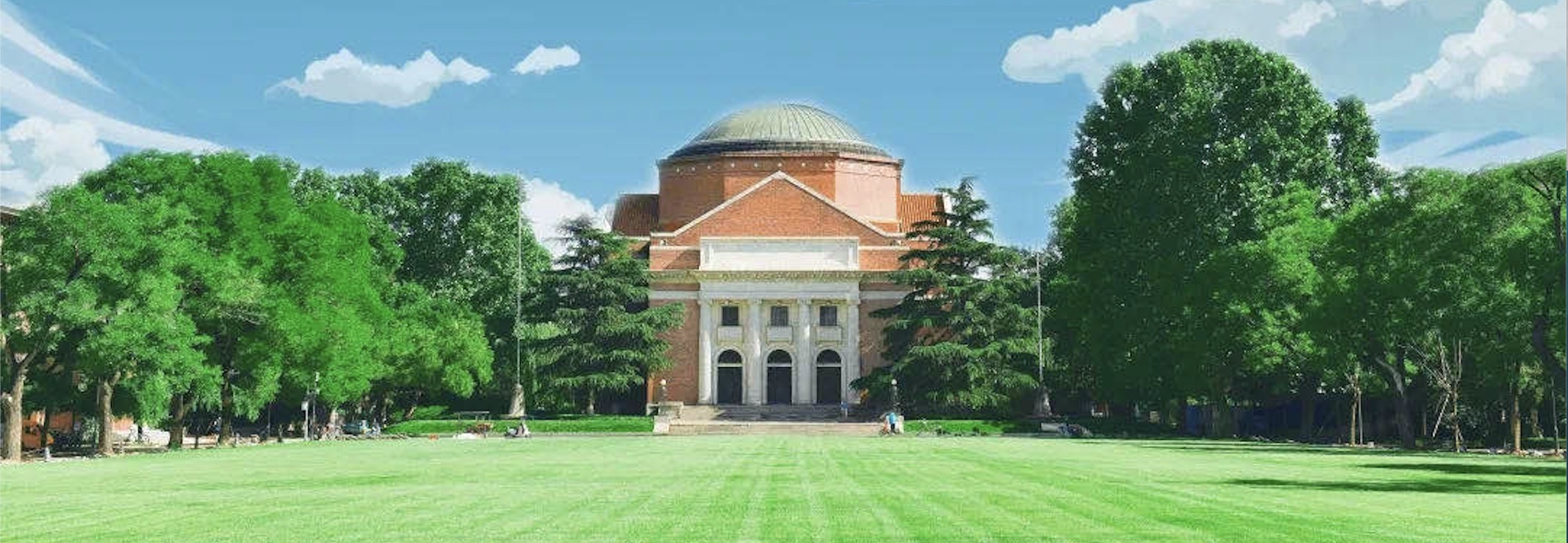
Held at the reception hall of Tsinghua’s main building, the ceremony brought together Lilly Chairman and Chief Executive David A. Ricks, Lilly Executive Vice President and President of Lilly Neuroscience Carole Ho, Lilly Vice President and China General Manager Hylan D. Heller, and Lilly Senior Vice President Wang Li, who heads Lilly China’s drug development and medical affairs center. Also attending were Hu Xianzhang, former deputy Party secretary of Tsinghua University and president of the university’s senior education program, as well as senior faculty members from Tsinghua’s School of Journalism and Communication and guests from the School of Life Sciences, the School of Pharmaceutical Sciences, the Vanke School of Public Health and other academic and research units. The event was hosted by Kuang Kai, associate professor and director of international programs at the School of Journalism and Communication.
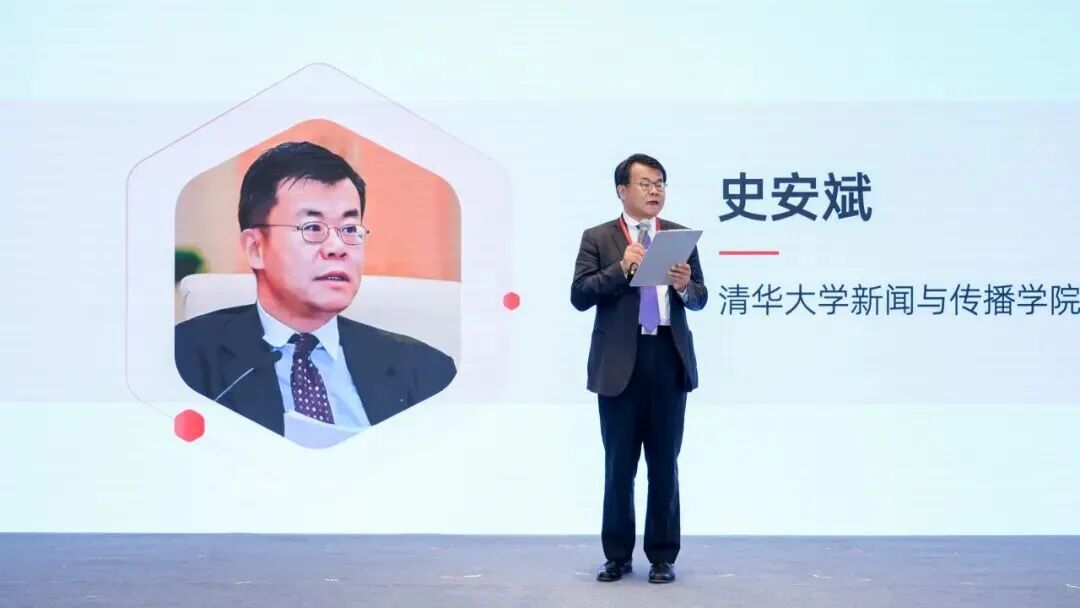
In opening remarks, Shi Anbin, Party secretary of Tsinghua’s School of Journalism and Communication, welcomed guests and contestants and said Alzheimer’s disease has become one of the major illnesses affecting older adults’ quality of life. He added that misunderstanding, stigma and cognitive bias surrounding the disease can cause patients to miss the best window for intervention. Shi said journalism and communication should make full use of their professional strengths in responding to major public health issues and that Tsinghua’s journalism school has long encouraged students to step beyond the classroom and engage real social concerns through the university’s Center for Global Development and Health Communication. He described the competition as a vivid example of that educational approach in practice.
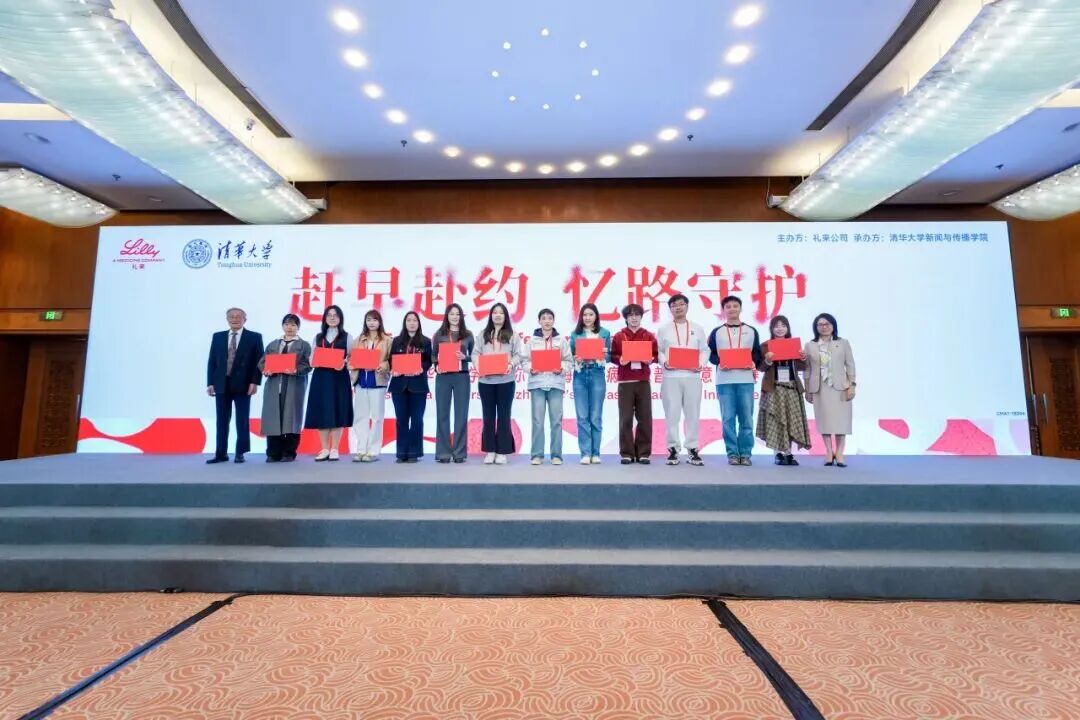
Since its launch, the contest attracted nearly 200 participants from more than 30 institutions, while more than 40 older adults joined the process through intergenerational co-creation. After professional judging, 45 outstanding science communication works were selected from nearly 100 submissions. Organizers said the projects used a variety of formats to offer in-depth interpretations of Alzheimer’s disease, helping reduce public misunderstanding, improve scientific understanding of the illness and emerging diagnostic and treatment technologies and challenge long-standing social stigma as well as the mistaken belief that the disease is untreatable. They said the competition aimed to accelerate the formation of broader social consensus that Alzheimer’s can be prevented, diagnosed and treated.
Several contestants aged 55 and above also attended the event in person. Some shared their own caregiving experiences, while others worked with student teams to write scripts based on real family memory struggles. One student participant said the team was not simply completing a science communication assignment, but speaking for their future selves, their parents and their grandparents. Representatives from Tsinghua and Lilly presented awards to the winning students and encouraged young people to continue contributing to public-interest science communication. The winning entries will also be distributed through multiple channels to expand their social reach.
The event also included a roundtable discussion on how to move the front line of Alzheimer’s prevention and treatment earlier. Wang Li was joined by Wu Qi, deputy editor of Sanlian Lifeweek, health science communicator Li Zhizhong and a student representative, in a conversation moderated by Kuang Kai. Drawing on professional experience and social observation, the speakers explored practical ways to advance earlier disease awareness and intervention from the perspectives of medicine, media and youth creativity.
Wang Li said tackling the challenge of Alzheimer’s requires not only sustained effort from companies, but also coordinated action across society to help make early diagnosis and early treatment more widely achievable. Wu Qi said Alzheimer’s places a heavy burden on caregivers and creates major pressure for both families and society. She added that the disease’s early symptoms are often difficult to detect, yet the proportion of people seeking professional medical help at an early stage remains relatively low. Li Zhizhong said the public often confuses the boundary between normal aging and disease or responds passively because of misconceptions such as the idea that “nothing can be done.” He said science communication needs to use plain language and scenario-based storytelling to explain early warning signs and scientific intervention more clearly, so as to build a stronger public foundation for earlier diagnosis and treatment.

Student representative Cai Ling said her team used everyday language and real family stories in its competition entry to turn the “three earlies” concept into practical prompts for action. She said the group hoped to use a new youth narrative to build a bridge between medicine and the public and encourage more families to start conversations about memory health sooner.